ホーム ニュース

SMT Full Form in Electronics: How SMT Relates to PCB Boards and Circuit Board Assembly

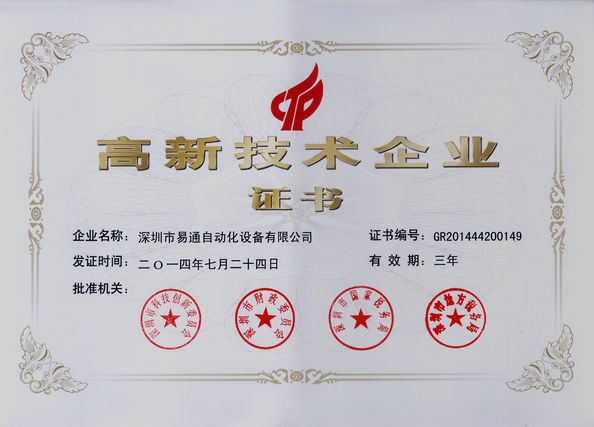
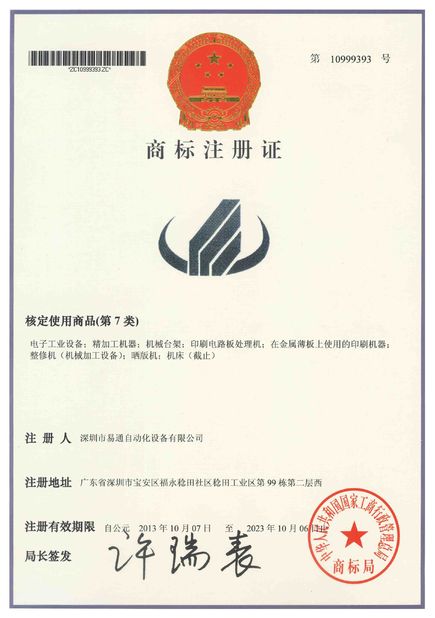
認証
中国 Shenzhen Eton Automation Equipment Co., Ltd. 認証
顧客の検討
ETONのservisiのçokのözenli、kolay mühendislerのçokのsabırlı veのmakineのkullanımı。

—— Fikret

جودة الآلةのETonのجيدة جدا وسريعة جدا、والآلات سهلة التشغيل。وكانت هناك خدمة ما بعد البيع、وكانت هناك تجربة ممتعة جدا للتسوق في الصين

—— Nadim

CảmのơnのbạnのrấtのnhiềuETONのvìのđãのgiúpのchúngのtôiのthiếtのkếのtoànのbộのchươngのtrìnhのdây chuyềnのsảnのxuất SMTのchoのphépのchúngのtôiのtiếtのkiệmのキーのphí。Cũng xinのcảmのơnのkỹのsưのhậuのmãiのcủaのcôngのty bạnのđãのđếnのnhàのmáy củaのchúngのtôiのđểのgỡのlỗiのmáy cáのnhân、vàのdịchのvụのnày rấtのchuyênのnghiệpのvàの儲のđáo。Hyのvọngのcôngのty củaのbạnのngày càngのtốtのhơn!

—— ngyum

ETON機械土台の速度はまた非常に速いです、質です非常によく、長い生命、売り上げ後のサービスですの価値を持って非常に広範囲、持っていること。

—— Sanjay

あなたの思慮深いサービスをありがとう。1日24時間私の質問をオンラインで答えることができます。あなたの機械の質は非常によいです。あなたが与えた設置計画は優秀です!私達の生産性は改良し、私達はよい収入がありました。私達は私達の協同を続ける機会に先に見ます。

—— ティム

Çokのfonksiyonlu birのmakineのアンプル、lamba veのsürücü、çokのakıllıのsopaのolabilir!

—— cagin

HT-XFランプの高速配置機械は実際にすばらしいです。生産能力は1時間あたりの120,000に達することができます。速度はそう速くありますが、正確さは非常に高いです。

—— praveen

機械は作動しやすく、易くサービスは非常によいです。それはまた生命の間フリー ソフトの更新を提供します。 ETONは非常によい製造業者です

—— pawan

RT-1 hızlı veのyüksekのhassasiyetli

—— アッバース

あなたの機械の質は生産に非常によいです、私達の会社入りました

—— モハメド

Ilのservizio risolvere le nostreのpreoccupazioniごとの後vendita ETONのèのtempestivo ED efficace

—— Addy

ETONの제품품질은안정적이고비용효율적입니다。

—— 分KEE金

yraのprofesionalus、efektyvus irのgaliのpadėtiのmanoのgamyklaiのsparčiaiのvystytis

—— phelanアダム

Maaaring ibigay NG ETON angのbuongライン計画、mataas ang katumpakan NGのmakina

—— Antonio C. Cuyegkeng

ETONの冗談のmoimのzaufanymのpartnerem

—— Andrzej Danielewicz

オンラインです
会社 ニュース
SMT Full Form in Electronics: How SMT Relates to PCB Boards and Circuit Board Assembly
最新の会社ニュース SMT Full Form in Electronics: How SMT Relates to PCB Boards and Circuit Board Assembly

Why this industry keyword is worth covering

Searchers who enter 'SMT full form', 'SMT meaning', 'PCB', or 'PCB board' are usually at the beginning of their electronics manufacturing research. They may not yet know the difference between a bare circuit board, a printed circuit board assembly, and the machines used to mount components. That makes this topic a strong fit for a trade and industry-word website.

In 2026, electronics manufacturing remains tied to regional supply chain planning, trade-fair activity, and production-capacity decisions. Instead of writing only for buyers who already know the equipment names, an industry article can educate earlier visitors and guide them toward more specific topics such as SMT machine, pick-and-place machine, reflow soldering, and AOI inspection.

What is the SMT full form?

SMT stands for Surface Mount Technology. It is a method of assembling electronic components directly onto the surface of a printed circuit board. Components used in SMT are usually called surface mount devices, or SMDs. These parts are smaller than many traditional through-hole components and are designed to sit on solder pads instead of passing leads through drilled holes.

In simple terms, SMT is the process that helps modern electronics become smaller, lighter, faster to produce, and easier to automate. Smartphones, LED lighting boards, control boards, power modules, consumer electronics, industrial controllers, and many automotive electronic modules use SMT assembly.

PCB, PCB board, and circuit board: are they the same?

A PCB is a printed circuit board. In daily search behavior, people often use PCB, PCB board, circuit board, and printed circuit board to mean almost the same thing. Strictly speaking, the PCB is the board with copper traces, pads, layers, and solder mask. After electronic components are mounted and soldered onto it, the board is often called a PCBA, or printed circuit board assembly.

This difference matters for manufacturing content. A visitor searching for 'PCB board' may only want a basic definition, while another visitor searching for 'SMT machine' may already be planning assembly equipment. A good industry page can connect these stages naturally: PCB design, bare board fabrication, solder paste printing, component placement, reflow soldering, inspection, and final assembly.

How SMT assembly works on a PCB board

The SMT process usually begins with solder paste printing. A stencil printer deposits solder paste onto the pads of the PCB. The board then moves to a pick-and-place machine, where SMD components are picked from feeders and placed onto the solder paste. After placement, the board enters a reflow oven, where the solder paste melts and forms solder joints. The board may then pass through AOI inspection to check missing parts, polarity, offsets, solder bridges, and other issues.

This workflow is why SMT is more than one machine. It is a coordinated process. If solder paste printing is unstable, placement quality may suffer. If reflow temperature is not controlled, solder joints may be weak. If inspection feedback is ignored, repeated defects may continue through production. For industry readers, explaining the system is more useful than only listing equipment names.

SMT vs. through-hole assembly

Traditional through-hole assembly uses components with leads inserted through holes in the PCB. The leads are then soldered on the opposite side of the board. This method can be strong and is still used for some connectors, power parts, and mechanical-load components.

SMT places components on the surface instead. It supports smaller parts, denser layouts, faster automated assembly, and high-volume production. Many modern circuit boards use both methods: SMT for most small components and through-hole for parts that need extra mechanical strength.

Common terms readers should know

PCB: printed circuit board, the base board with copper circuits and solder pads.

PCBA: printed circuit board assembly, the PCB after components are mounted and soldered.

SMT: surface mount technology, the process of mounting components on the PCB surface.

SMD: surface mount device, a component designed for SMT placement.

Pick-and-place machine: equipment that places SMD components onto solder paste.

Reflow soldering: the heating process that melts solder paste and forms solder joints.

AOI: automated optical inspection used to check assembly quality.

When does a reader need an SMT machine?

A reader may need an SMT machine when production volume, placement accuracy, component density, or delivery speed becomes difficult to manage manually. For prototypes and very small batches, manual assembly may still be possible. For commercial production, automated SMT equipment improves consistency, repeatability, and line efficiency.

The right next step depends on the product. LED boards may need long-board handling and high repeated placement efficiency. Consumer electronics may need fine-pitch accuracy and fast changeover. Industrial control boards may need stable process control and inspection. This is where an industry-word article can link readers toward machine-selection guides and supplier consultation pages.

パブの時間 : 2026-07-10 15:31:28 >> ニュースのリスト
連絡先の詳細
Shenzhen Eton Automation Equipment Co., Ltd.

コンタクトパーソン: Ms. Linda

電話番号: 0086 13670197725 (Whatsapp/Wechat)

ファックス: 0086-755- 29502066

私達に直接お問い合わせを送信 (0 / 3000)